Hyogo
Hyogo: The proud home of world-renowned "Kobe Beef" and the fluffy, dashi-scented "Akashiyaki."
From the port city of Kobe, which historically embraced Western culture, to the seafood-rich shores of Akashi, Hyogo Prefecture is a culinary destination where the absolute pinnacle of luxury Wagyu coexists seamlessly with beloved local street food.
Essential Soul Food
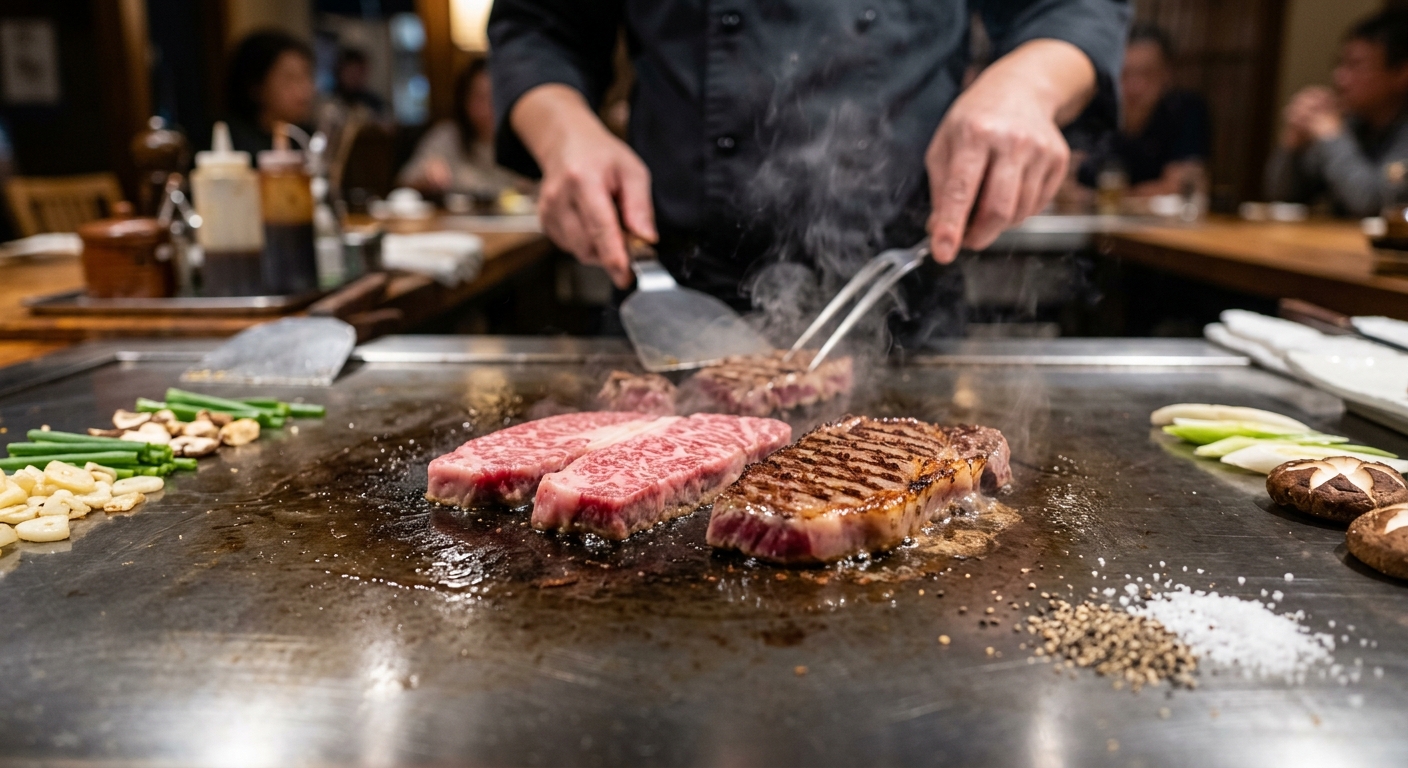
- Kobe Beef: A strict title awarded only to Tajima cattle that pass rigorous standards. Known worldwide for its artistic "shimofuri" (marbling), the fat melts at a low temperature, delivering an incredibly sweet and buttery flavor. Teppanyaki steak is the ultimate way to experience it.
- Akashiyaki (Tamagoyaki): Widely considered the ancestor of Takoyaki, this Akashi specialty uses an egg-heavy batter, resulting in an incredibly fluffy and soft texture. Instead of heavy sauces, it is eaten by dipping it into a bowl of warm, delicate dashi broth.
Dining Culture
Hyogo offers a spectrum of dining experiences. You can sit at a high-end teppanyaki counter watching a master chef sear premium beef right before your eyes, or you can stroll through Akashi's lively "Uonotana" shopping street, popping into casual stalls for Akashiyaki. Locally, Akashiyaki is treated like fast food or a light snack—eating quickly and leaving promptly is the standard style.
Local Rules & Taboos
Be mindful of high-end restaurant etiquette and unique local terminology to avoid confusion.
⚠️ In Akashi, "Tamagoyaki" means Akashiyaki: Locals in Akashi refer to Akashiyaki as "Tamagoyaki." If you see "Tamagoyaki" on a menu here, do not expect a standard Japanese rolled omelet. You will be served the round, octopus-filled dumplings meant for dipping in broth.
- Eat the first bite of Kobe Beef with only salt: When dining at a teppanyaki restaurant, connoisseurs always eat their very first bite of steak seasoned only with a little salt, skipping any sauces. This allows you to fully appreciate the meat's natural sweetness and aroma.
- Beware of severe burns from Akashiyaki: Akashiyaki is usually served on a slanted wooden board called an "ageita." The inside of the dumpling is molten hot. While dipping it into the dashi broth cools it down slightly, popping a whole one into your mouth right away is a guaranteed way to burn your tongue. Eat with caution.
- Watch out for fake Kobe Beef: In heavily tourist-trafficked areas, some places falsely advertise "Kobe Beef." Authentic certified restaurants will proudly display an official registration certificate and a bronze cattle statue from the Kobe Beef Marketing & Distribution Promotion Association at their storefront.