
Dumpling
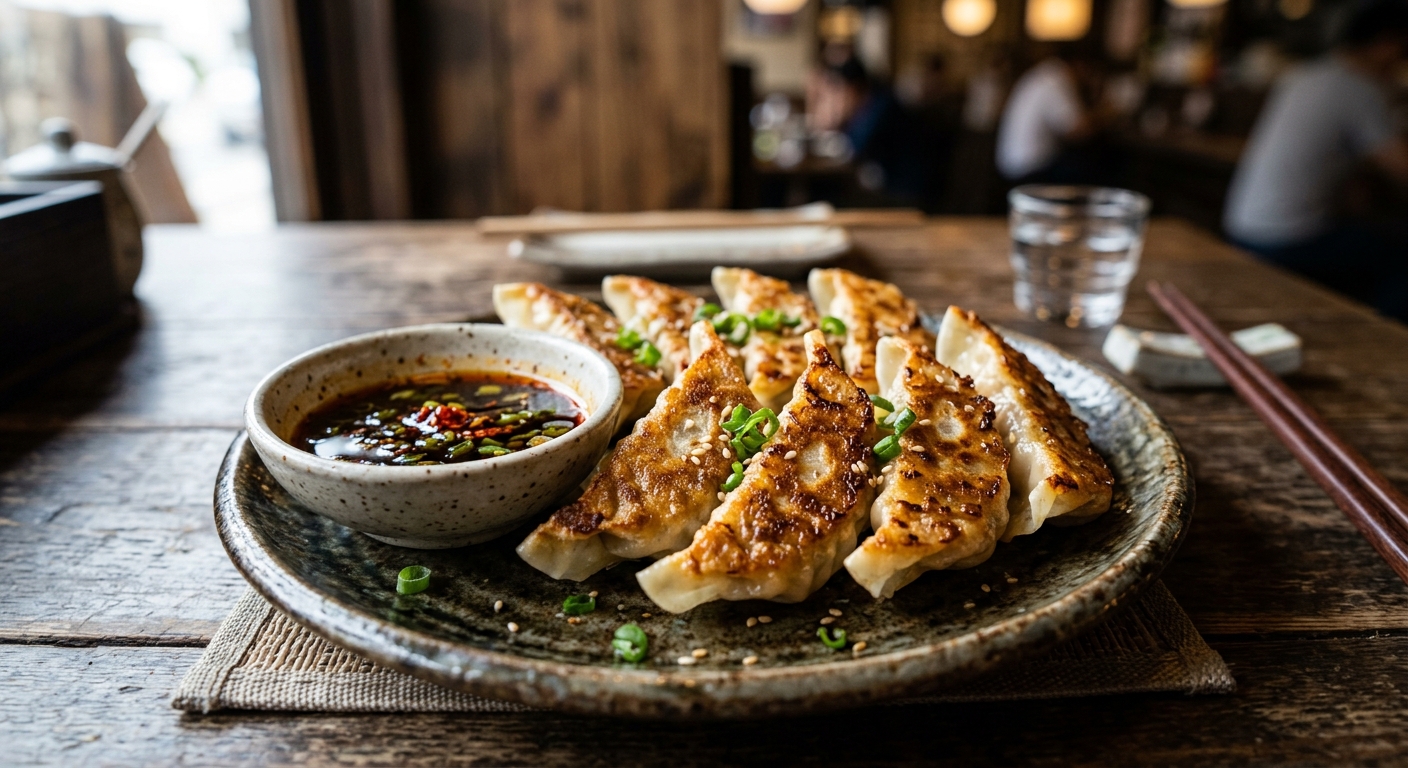
Gyoza: A golden, crispy crust hiding a burst of savory meat juice. Evolving uniquely in post-war Japan, it has become the ultimate national side dish and the undisputed king of beer snacks.
What is Japanese Gyoza?
Unlike Chinese boiled dumplings, the pan-fried "Yaki Gyoza" rules supreme in Japan. Featuring a paper-thin wrapper crisped to perfection, it is generously stuffed with pork, cabbage, and a heavy hit of garlic and ginger.
History & Origin
The recipe was brought back by Japanese soldiers returning from Manchuria after World War II. To provide a cheap "stamina boost" for exhausted laborers rebuilding the country, copious amounts of garlic were added to the filling. It quickly became deeply rooted in Japanese food culture as a savory side dish meant to be eaten with white rice.
Local Variants
- Hamamatsu Gyoza: Arranged and fried in a perfect circle, with a handful of boiled bean sprouts placed in the center. The sprouts act as a refreshing palate cleanser.
- Kobe Gyoza: Instead of the standard soy-vinegar mix, Kobe's signature style involves dipping the dumplings in a rich, savory miso-based sauce.
Authentic Eating & Etiquette
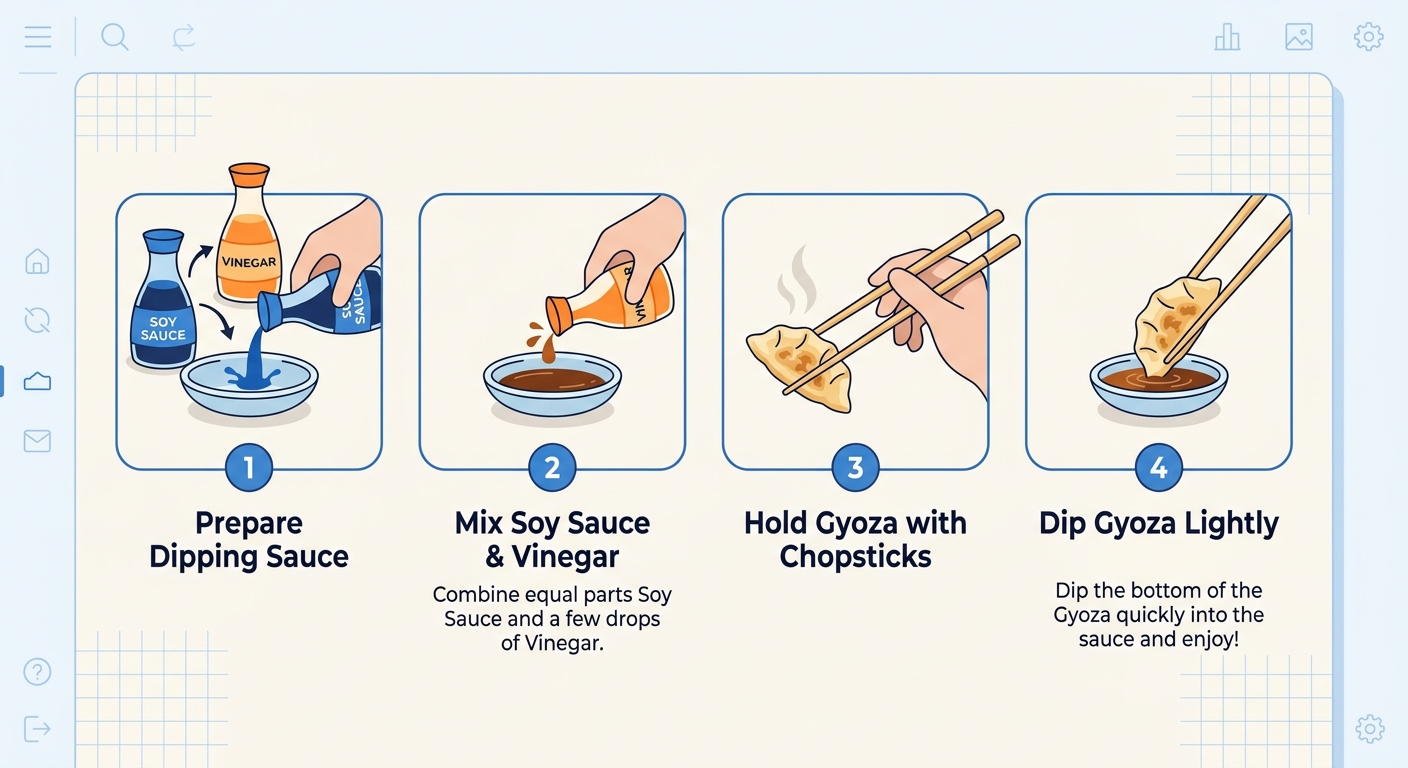
- The Golden Sauce Ratio: Mix soy sauce and vinegar in a strict 1:1 ratio, and finish with a few drops of chili oil (ra-yu).
- Dip the Soft Side Only: To protect the satisfying crunch of the pan-fried bottom, always dip the soft, steamed top of the gyoza into your sauce.
- The Beer & Ramen Connection: In an izakaya, gyoza is the ultimate beer snack. In a ramen shop, ordering a "Gyoza Teishoku" (a set meal with ramen, gyoza, and a bowl of white rice) is a classic Japanese comfort meal.
Trivia
Utsunomiya City and Hamamatsu City engage in a fierce, highly publicized battle every year to claim the title of "Highest Gyoza Consumption in Japan," turning dumpling culture into a matter of civic pride.
Taboos & Warnings
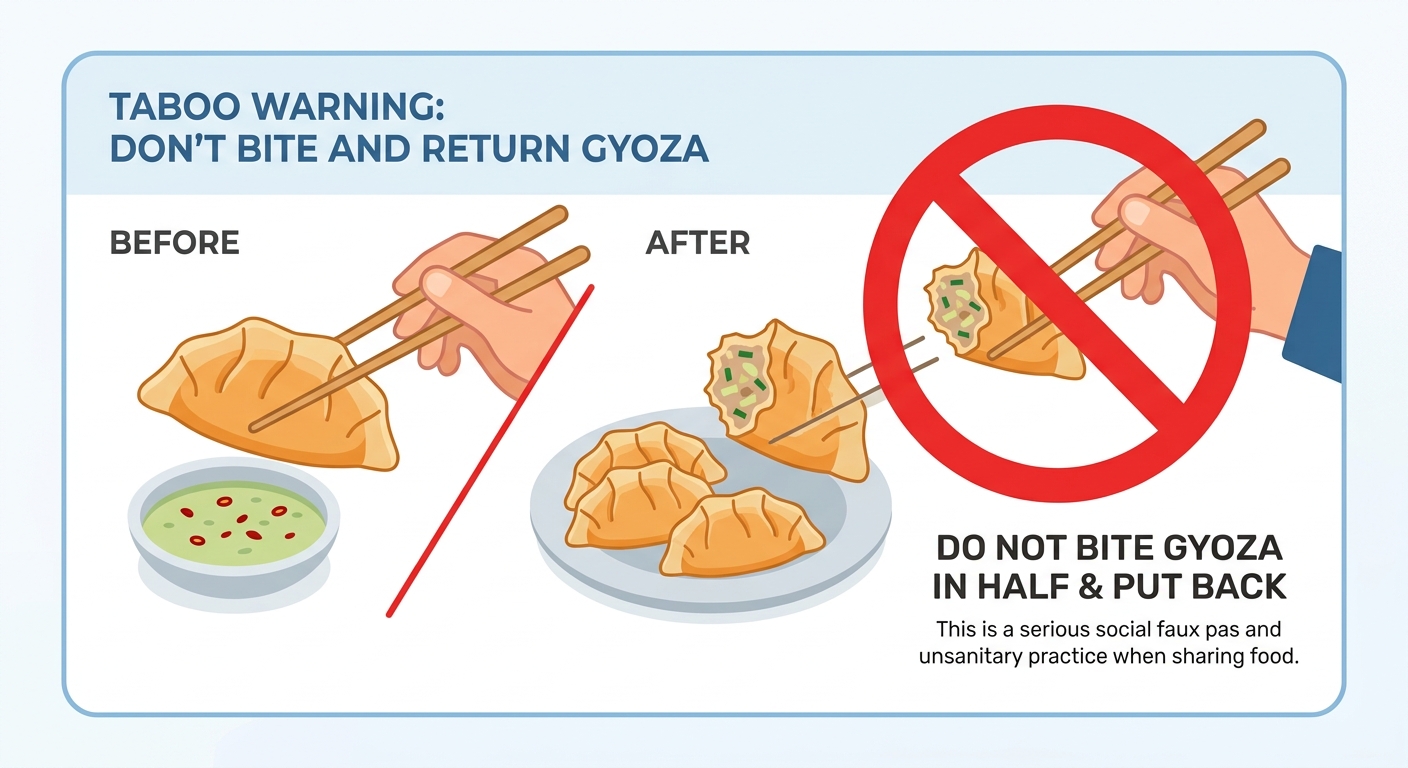
⚠️ The Strict "One-Bite" Rule: To keep the flavorful juices inside, gyoza should ideally be eaten in a single bite. If a piece is too large and you must bite it in half, never place the half-eaten dumpling back on your plate. Keep it held between your chopsticks until you finish it.